
My name is Tim Gersbach and I am a third-generation grain grower from Capella in Central Queensland. I farm with my wife, Courtney, our two kids and my mum and dad.
We’ve got four farms, one to the north of Capella, one a bit further south and two to the east. My grandfather bought the home place in 1977 and the other three were bought between 1983 and last year. We also have some cattle country but we agist it to another farmer to run the cattle.
Like many growers, we felt we needed to get the scale to be viable as an operation. The scale meant we could get bigger gear and once you get bigger gear you can cover more country and keep expanding.
Like anywhere, it doesn’t take too many bad seasons to put the pressure on here, but the past six years of rain have given us a pretty good run. This has meant we were able to invest in new equipment and put in the silos for on farm storage.
We run 60 percent winter crop and 40 percent summer crop. This year, our winter crop has had a really dry run with only 12ml of in crop rain, but because it was so wet at the end of February and early March, it had a full profile.
So, we planted a little bit deeper and we’re growing it in some sort of moisture. We’re just lucky we can grow a winter crop on summer rain around here - it won't be much of a crop, but it looks like our wheat might do around 2 to 2.5 ton to the hectare and our chickpeas might do 1.8 to 2.
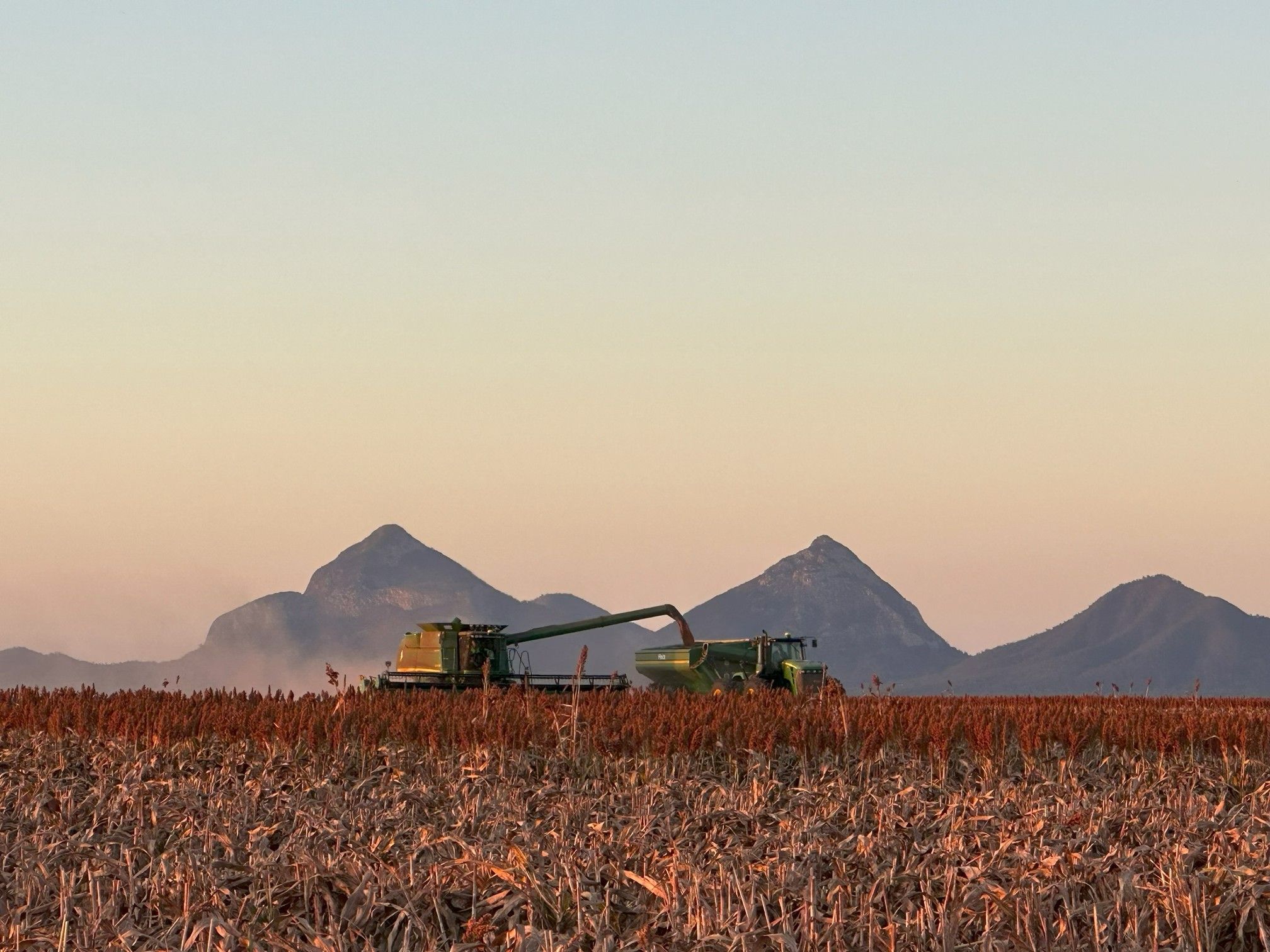
But we were fortunate that our summer crop had that really good run with rain from December through to the start of March and we’ve just harvested mung beans, sorghum and sunflower.
Our sorghum was about 4.6 ton to the hectare and mung beans were 1.9, which were both really good.
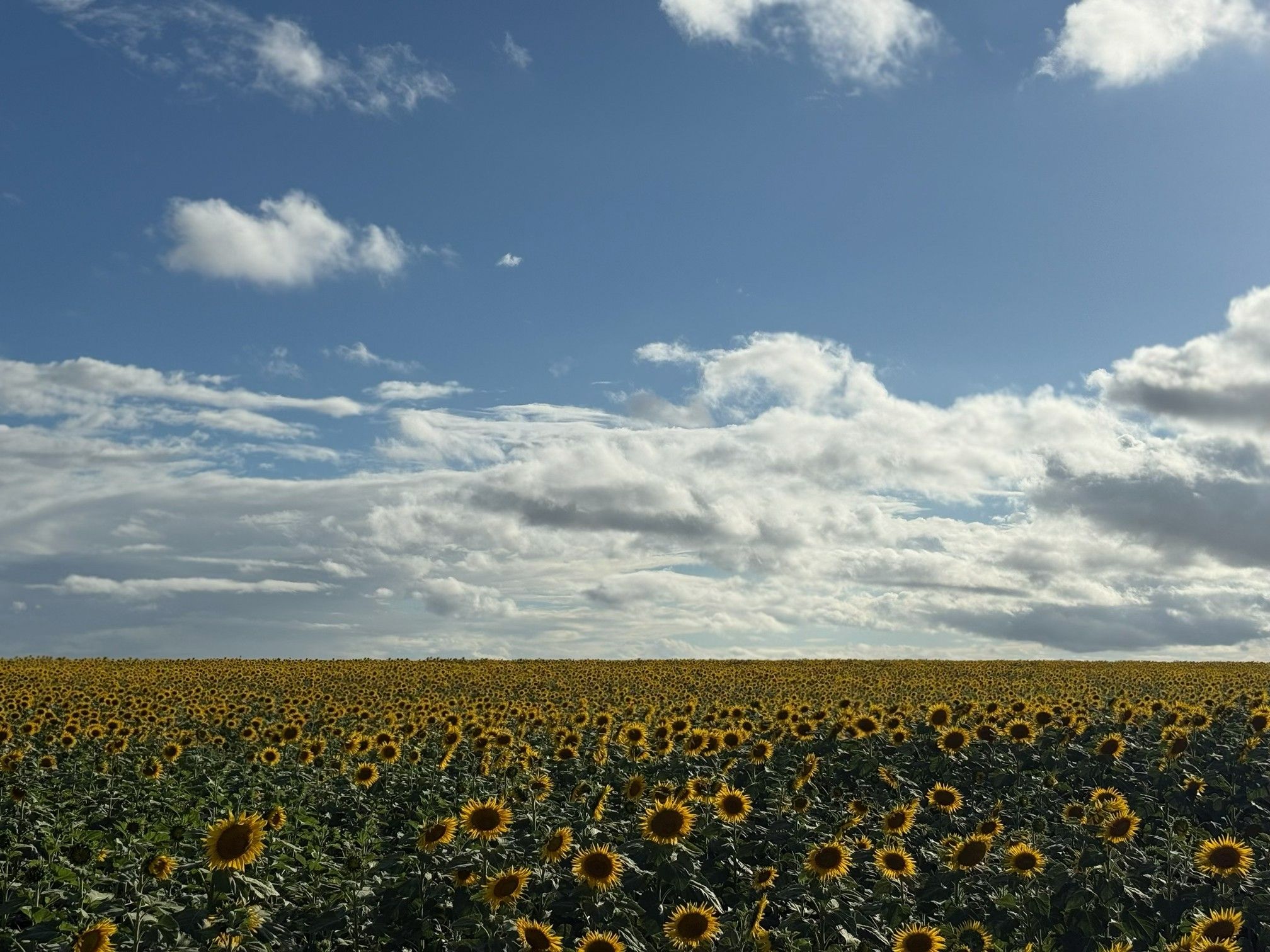
Growing the sunflower this year was a simple supply and demand decision. It was common for my grandfather to grow them in the 1970’s and then canola took over in the oil space, but we still get a bit of demand for birdseed sunflower, which is what we grew this year.
We also only grow the mung beans if we’ve got an opportunity to because they can be a temperamental summer crop.
The predominant summer crop is sorghum and then we usually have a 50-50 split between wheat and chickpeas in the winter.
Most of what we grow goes to feedlots around here or as far up as Atherton where it’s used as poultry feed. This is based on the market dynamics and most of the wheat being fed into feedlots.
We also use the local depot at Capella, which is really handy to have that so close by because we do everything ourselves: we harvest it, cart it and spray it. So having the depot nearby helps keep the freight costs down.
In addition to farming, we have an earth moving business which does work for local farmers. It can be hard for them to get people to do stock dams, fire breaks and water ways because a lot of the earth moving work goes to the mines nearby.
The business ties in well because if it’s too dry for farming then it’s good weather for earth moving and if it’s too wet for earth moving, then it’s generally good weather to grow grain and helps us diversify our income.
We’re also adopting new technology on farm: we started optical spraying at the end of last year and it is brilliant.
We use a self-propelled standalone rig which you can use to spray normally, but for the summer you can put it in camera mode and go spot spraying weeds.
It’s reduced the amount of pesticides we use on farm, but it also gets a very good kill on the weeds it sprays. Sweet summer grass and Feathertop Rhodes grass are our hardest weeds to combat in summer and they were getting harder to manage, but the camera sprayer helped us get back on top of it.
We’ve also purchased a really good quality spreader so we now spread all our urea for the year at the end of the year just before the summer storms come through. If we have to, we will incorporate it, but if we can line it up with a rainfall event we try and get it all out in one go.
Then we don’t put any more urea on at plant, we just put a decent rate of starter on with the seed and we’re finding that’s working really well.
We previously did it at planting, but we’re finding doing it all at once worked and it’s a lot easier and faster to do it with a spreader and incorporate it then.
These new technologies are a big investment, but you can’t live without them. So, we’re always looking at new gear for opportunities to improve the quality of the result and create efficiencies into the future.
Looking to the future, our two kids enjoy the farm but I’m not going to push them into it. If they enjoy the farm there is definitely the opportunity for them to be involved, but if they have other interests they want to pursue, it doesn’t bother us.
For me, Australia is a great country to farm and our farmers are always innovating. And generally, Australian farms are a good size for broadacre farming with a lot of opportunity for our farmers, which makes it really enjoyable.