The Mindsets Driving Grower Preparedness


Understanding Grower Preparedness
The purpose was to understand growers’ attitudes towards preparedness; the preparedness hurdles growers face; and what would enhance preparedness.
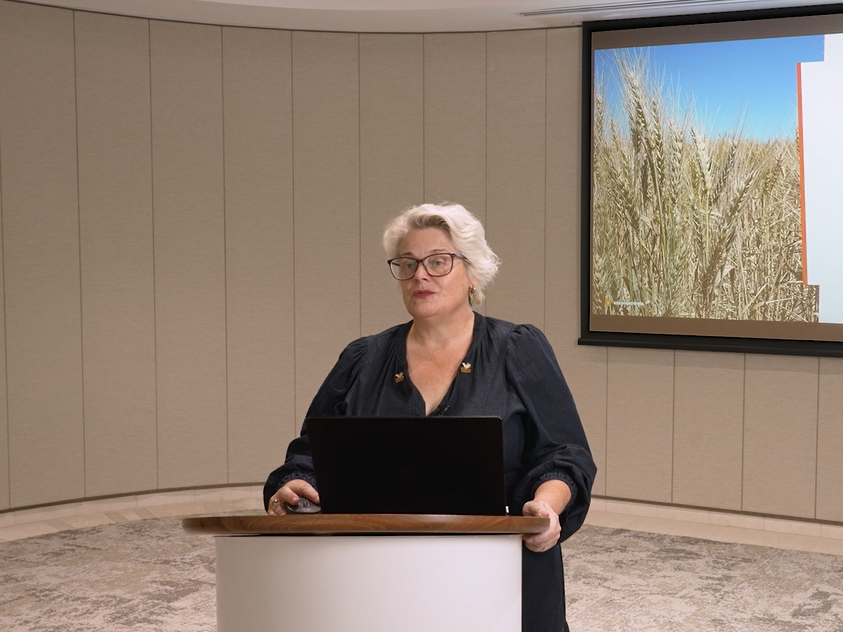
Hear from GrainGrowers’ General Manager of Grower Relations and Thought Leadership, Sarah Hyland, as she presents key insights from the grower preparedness research.

Approach
Drawing on 30 grower interviews conducted across five states in 2025, the research provides a timely lens on how growers are navigating uncertainty.
By definition, preparedness is ‘the state of being ready for something to happen, especially for war or disaster’, growers expressed a more practical interpretation: having options available when things do not go to plan.
Although the research was undertaken prior to the Middle East conflict, the past six months have underscored its relevance, with growers across the country calling on different levels of preparedness to manage one of the most challenging operating environments in recent memory.
Key Findings
A key finding is that preparedness is not about optimism, but rather a combination of factors, including:
- Sense of control over outcomes
- Capacity to absorb headwinds
- Structural conditions
- Recent experiences of volatility or loss
- Time
- Complexity and cognitive load
- Trust in the return on investment from investments and advice
Critically, the research challenged the notion that growers are resistant to change. Instead, it found that growers are less likely to invest time, effort and capital in preparedness unless there is a clear and credible payoff.
Understanding the Four Mindsets
From the research, four distinct grower mindsets emerged. These mindsets have been mapped across two key dimensions: action bias (from inaction to action) and strategic posture (from reactive to proactive).
Each grower mindset differs by belief in control over outcomes, and confidence in the decisions that drive them.
The mindsets are:


Alarmed
Risks feel immediate and existential

Double Down
Risks are manageable with planning

Alert
Risks are real but not yet urgent

Bunker Down
Risks feel uncontrollable