
GrainGrowers welcomes the opportunity to provide a submission to the inquiry into artificial intelligence and data centres.
Australia's data centre sector is expected to expand significantly. While this growth presents economic opportunities, it also raises important questions regarding land use, energy infrastructure, water resources, and regional development.
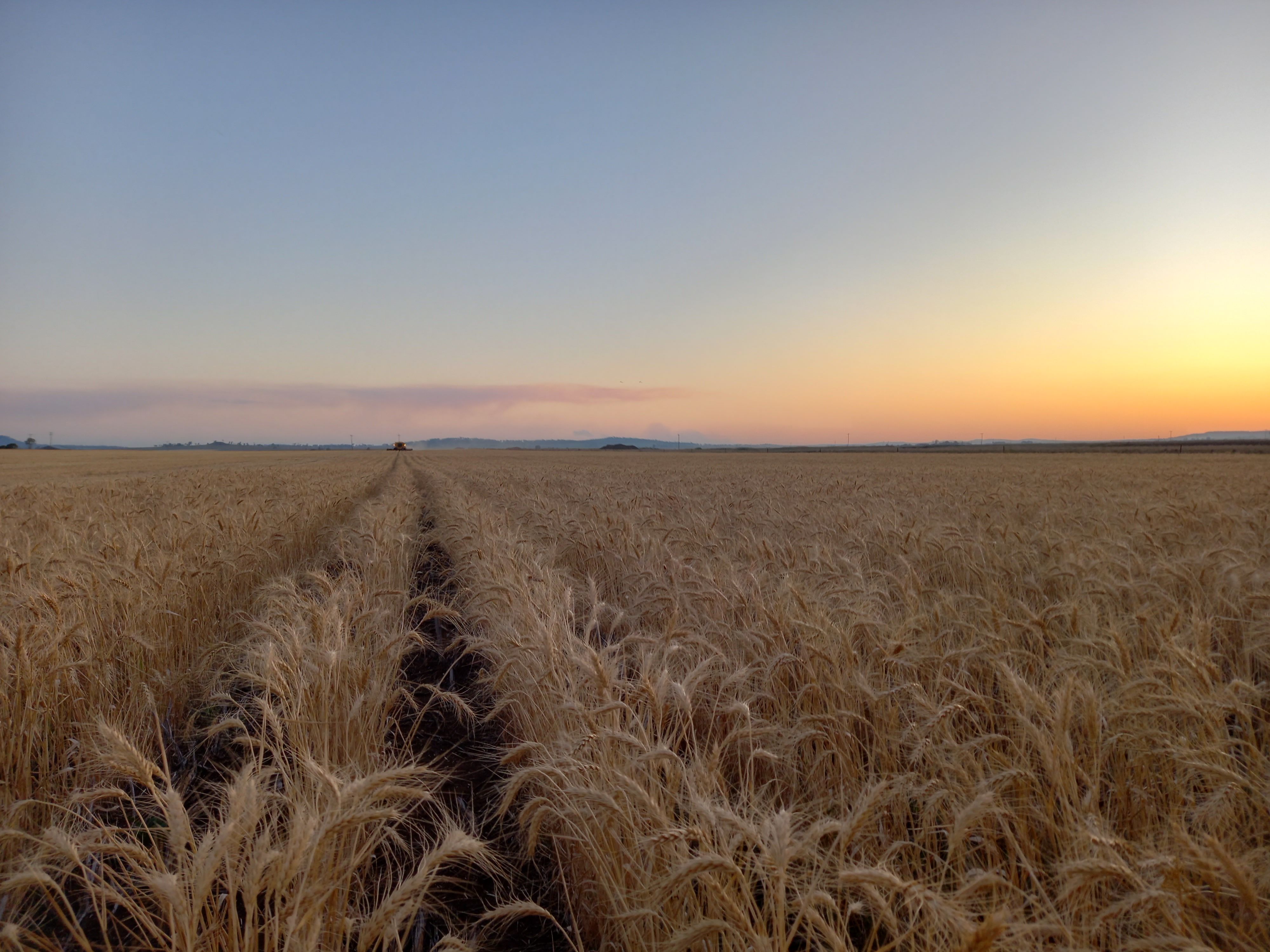
For grain growers, the primary concern is not the direct footprint of data centres themselves, but the cumulative impacts that may arise where data centre development occurs alongside renewable energy projects, transmission infrastructure and other competing land uses in agricultural regions. Agricultural land is a finite and irreplaceable resource that underpins Australia's food and fibre production capacity, regional economies and long-term food security. As governments seek to support new industries, careful consideration must be given to the long-term impacts of land use change on productive agricultural land.
The most significant impacts on grain-growing regions are likely to arise indirectly through the infrastructure required to support data centre development. Growth in electricity demand may drive additional investment in renewable energy generation, transmission infrastructure and telecommunications networks, many of which are likely to intersect with agricultural landscapes. For this reason, data centres should not be assessed in isolation, but as part of the broader land use changes occurring across regional Australia.
While water use is likely to be a less significant issue for broadacre grain production than for other agricultural sectors, transparency remains essential. GrainGrowers supports mandatory and standardised public reporting of facility-level water and energy use to ensure governments, communities and industry can appropriately assess emerging impacts and maintain confidence in planning and approval processes.
GrainGrowers also recognises that data centres may create opportunities for regional Australia through investment, employment and improved digital infrastructure. However, these benefits will only be fully realised if growers, landholders and regional communities are meaningfully involved in decision-making from the outset and if planning frameworks appropriately recognise the cumulative impacts of development.
Accordingly, GrainGrowers recommend that governments:
- Prioritise productive land and water resources for agricultural purposes in planning and assessment processes for data centres.
- Adopt a nationally coordinated approach to land use planning and improve national land use data, mapping and monitoring capabilities.
- Require cumulative impact assessments where data centre developments are proposed in regions experiencing competition from multiple land uses.
- Ensure growers, landholders and regional communities have a meaningful role in planning and land use change decisions from the outset.
- Address power imbalances between developers and landholders through fair engagement, consultation and approval processes.
- Mandate transparent, facility-level reporting of water and energy use.
- The development of national-scale land use mapping.
- Assess cumulative social impacts of land use change.
- Establish an enforceable code of conduct for data centre developments and associated infrastructure.
- Ensure that regional communities hosting energy infrastructure associated with data centre development are not disadvantaged in accessing network capacity and electrification opportunities.
- Work collaboratively to provide greater certainty in land use planning frameworks.
This submission focuses on the implications of data centre development for grain growing regions and outlines measures to ensure that the expansion of Australia's digital infrastructure does not compromise the long-term productivity and resilience of grain growers and their communities.