High Impact Risks to the Grain Sector

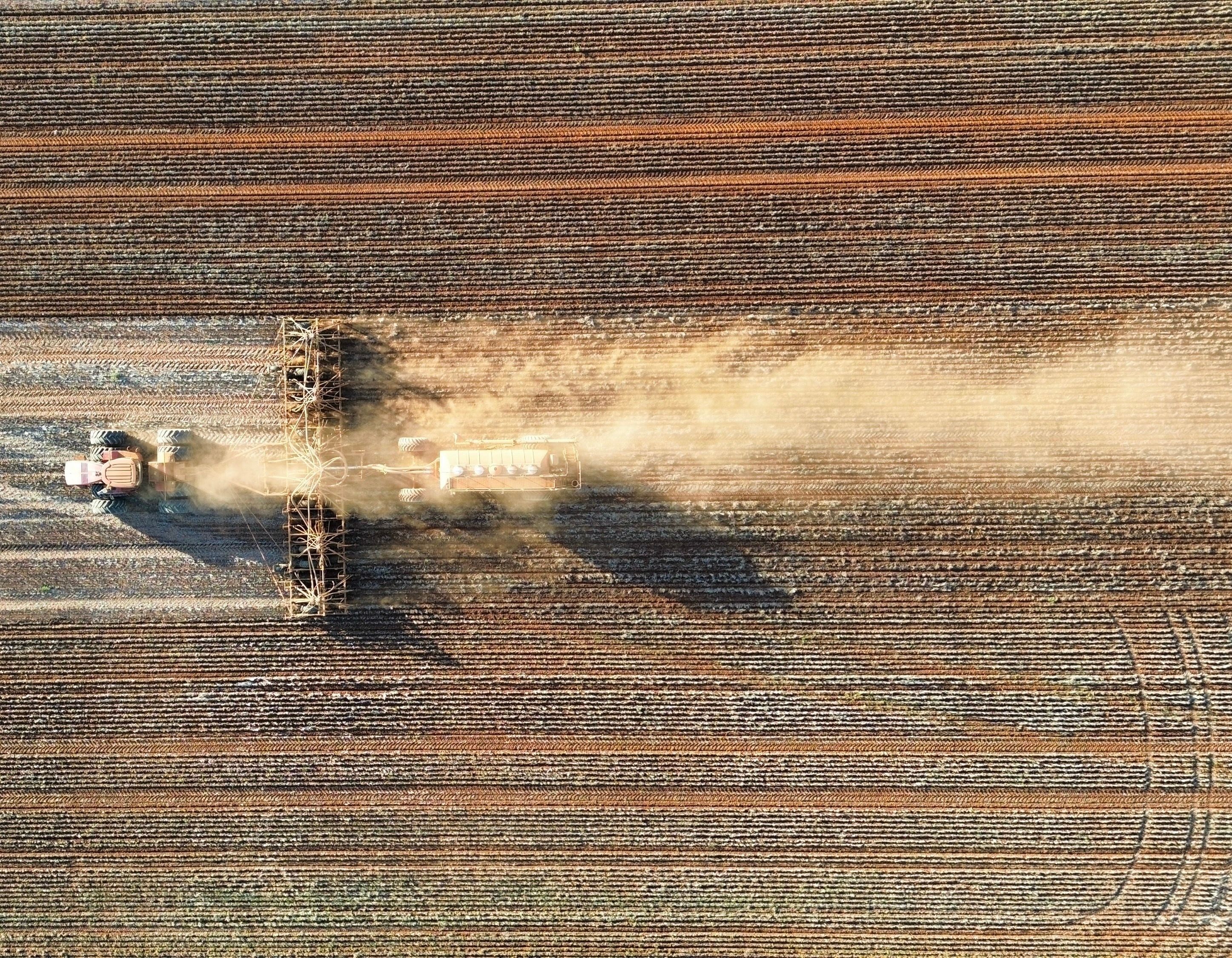
The grain industry is a multi-billion dollar, highly-sophisticated, technologically adept industry which has enormous economic and social benefits here and abroad.
There are also an abundance of risks that could impact the grain industry catastrophically at any time: climate variability is intensifying; geopolitical tensions are reshaping trade flows; and input and logistics systems are under sustained pressure.
Yet the approach to anticipating, managing and responding to these risks is fractured, disconnected and uncoordinated.

What GrainGrowers is doing
GrainGrowers has produced a report called ‘High Impact Risks to the Grain Sector’, which applies Michele Wucker’s Gray Rhinos animal matrix to the Australian grains sector.
Animal risk matrixes, which are structured frameworks used to classify risk based on visibility, likelihood, and impact, are not new.
Previous animal risk matrixes include black swan events, which were formalised by risk analyst Nassim Nicholas Taleb, and more recently, futurist Graeme Codrington developed the Grey Elephants concepts.
In Wucker’s work, grey rhinos are defined as a slow-moving, high-probability, high-impact force that reshapes the operating environment.
This report maps those risks as they relate to the grain sector and is designed to demonstrate why the industry must work more collaboratively within itself and with government to identify, prepare for and mitigate risks.
What are some examples of grey rhinos in the industry?
Critical input dependency
Critical input dependency displays all the characteristics of a grey rhino. Australia’s reliance on imported fuel and fertiliser has been recognised for many years, with repeated warnings about supply concentration, limited domestic manufacturing capacity and low strategic reserves. The probability of future disruption is increasing as geopolitical tensions intensify, while the potential consequences extend well beyond agriculture. Despite these warning signs, responsibility for monitoring and managing critical input resilience remains fragmented across multiple organisations.
Freight, port and export logistics fragility
The vulnerability of Australia’s freight network has been recognised for many years. Ageing infrastructure, constrained regional road networks, limited rail capacity and growing freight volumes have all been well documented through successive government reviews and industry reports. Climate-related disruptions, increasing demand and infrastructure investment delays are further increasing the likelihood of disruption. Despite widespread recognition of these challenges, planning and investment decisions are often considered in isolation, with responsibility fragmented across multiple levels of government, infrastructure owners and supply chain participants.
Geopolitical fragmentation and trade uncertainty
The changing nature of global trade has been evident for many years. While Australia’s diversified export markets and network of free trade agreements provide important resilience, the broader trajectory is clear. International trade is becoming more uncertain, more contested and increasingly influenced by geopolitical considerations. For Australia’s grain industry, this represents a high-probability, high-impact risk that will require continued market diversification, strong trade advocacy and sustained government engagement to preserve access to international markets.
Increasing pressure on Australia's biosecurity system
Pressure on Australia’s biosecurity system has been building for many years. Successive government reports, industry assessments and repeated interception events have highlighted the growing risk of exotic pest incursions and the increasing demands being placed on surveillance, inspection and response systems. While Australia’s biosecurity framework remains internationally recognised, responsibility for prevention, surveillance and preparedness is shared across multiple governments, agencies and industry participants, making coordinated management increasingly complex.