
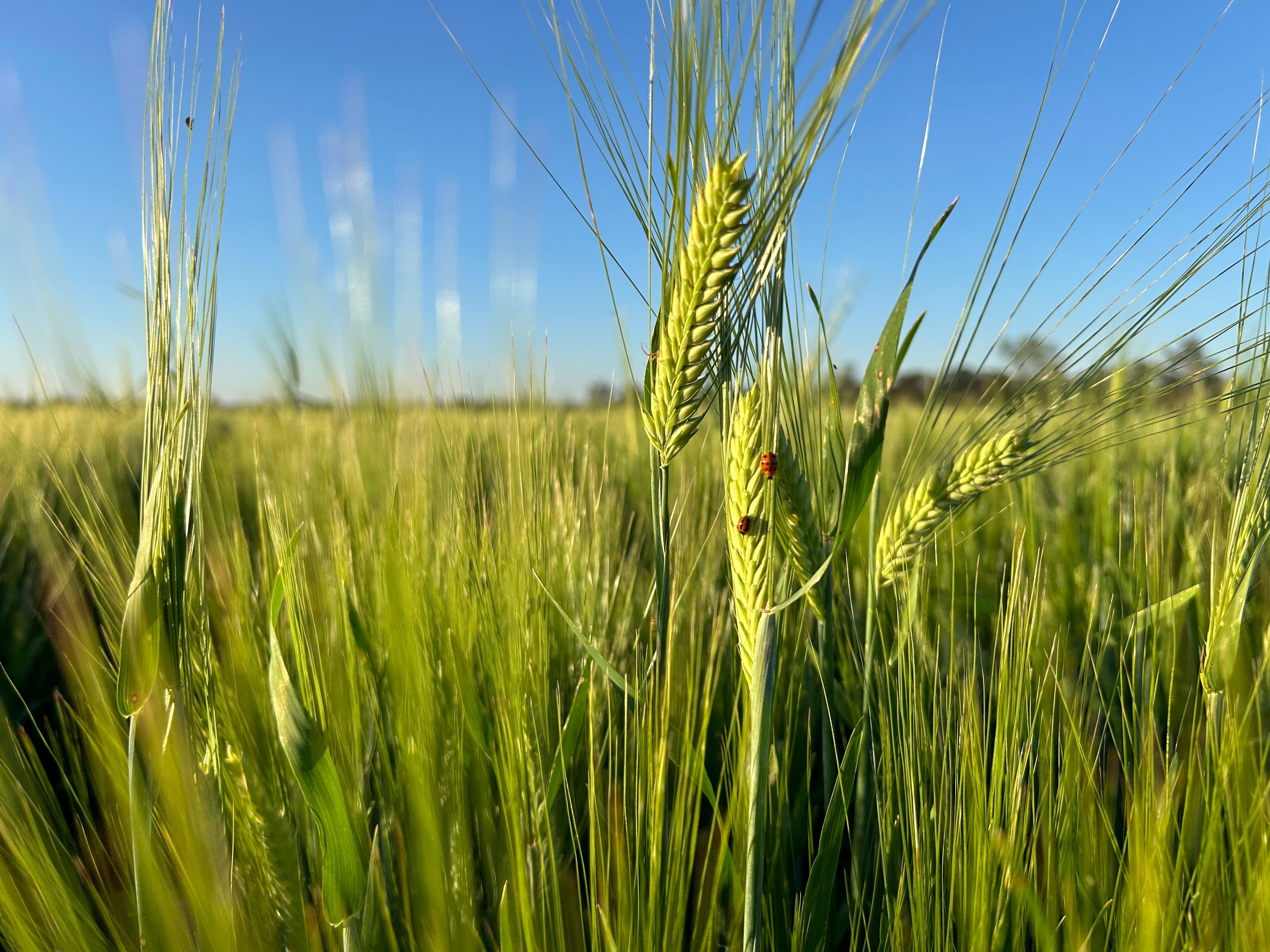
Biosecurity is critical to: support agriculture productivity; protect Australia’s agricultural industries, environment, human health, and social and cultural values; and support international and domestic market access for Australian grains. The diversity and extensiveness of our cropping regions increase the potential to host a range of pests that threaten production and market access.
The control of pests already established in Australia costs Australian grain growers more than $5 billion each year. This includes: the losses and costs of managing diseases at $1.4 billion; weeds and herbicide resistance at more than $3.3 billion; and invertebrate pests at more than $360 million. Managing and maintaining on farm biosecurity is important both for farm productivity and the integrity of the broader national biosecurity system.
Fundamental to a well-functioning biosecurity system is that industry has trust that the biosecurity system is performing its role, and that industry members are willing to take a shared responsibility, including reporting of pest and/or disease concerns and engaging in biosecurity response.
GRAINGROWERS SUPPORTS:
- A shared responsibility for biosecurity (across growers, industry, government, and the broader community) is essential to safeguarding the future of the Australian grain industry.
- A robust and appropriately resourced biosecurity system, supported by all levels of government and industry, is fundamental to protecting Australia’s
biosecurity and underpins ecologically sustainable development, and agricultural and environmental performance. - Risk creators should contribute to the costs of maintaining Australia’s biosecurity system where practical and appropriate.
- Australia’s biosecurity goals must be achieved through proactive risk mitigation and continuous improvement of surveillance, diagnostics, reporting, and pest management systems.
- Government and industry initiatives that strengthen surveillance, monitoring, reporting, and support trade and market access are vital to the sector’s resilience.
- Sustaining Australia’s world-class biosecurity standards requires ongoing focus in innovation, and a strong commitment to both prevention and rapid response.
- Strategic investment in research is vital to developing cost-effective, scalable solutions for monitoring, preventing, eradicating, containing, and controlling biosecurity threats.
- Effective grains biosecurity relies on bilateral agreements, harmonised legislation, and strong collaboration between industry, government, and the community.
GRAINGROWERS RECOGNISES:
- National frameworks and intergovernmental agreements (such as the National Biosecurity Strategy, the Intergovernmental Agreement on Biosecurity, and the National Biosecurity Statement) provide a solid foundation for coordinated, industry-specific biosecurity planning.
- All levels of government have important roles in the biosecurity system as part of the shared responsibility for biosecurity, and it is important they maintain their commitment to these roles and resourcing.
- Clear, robust reporting is required to highlight the benefit of maintaining Australia’s biosecurity, as well as the ongoing activity and achievements in biosecurity activities.
- Transparent, regular reviews of the biosecurity system are essential to drive continuous improvement and uphold best practice standards and findings of completed reviews need to be appropriately addressed.
GRAINGROWERS SEEKS:
- Biosecurity must be sustainably and adequately funded across all tiers of government to ensure long-term resilience.
- Pre-border and at-border biosecurity risk management should be a top priority, delivering the greatest economic return and protection.
- Timely implementation and resourcing of review recommendations is critical to achieving meaningful progress and system improvement.
- Policies and programs must be designed to accurately assess risk, validate biosecurity status, and prevent unjustified trade barriers.
- Strategic investment in research is vital to developing cost-effective, scalable solutions for monitoring, preventing, eradicating, containing, and controlling biosecurity threats.
- A trusted biosecurity system must foster an environment where industry and the broader community feel confident to report pest and disease concerns, knowing they will be addressed swiftly and effectively.