
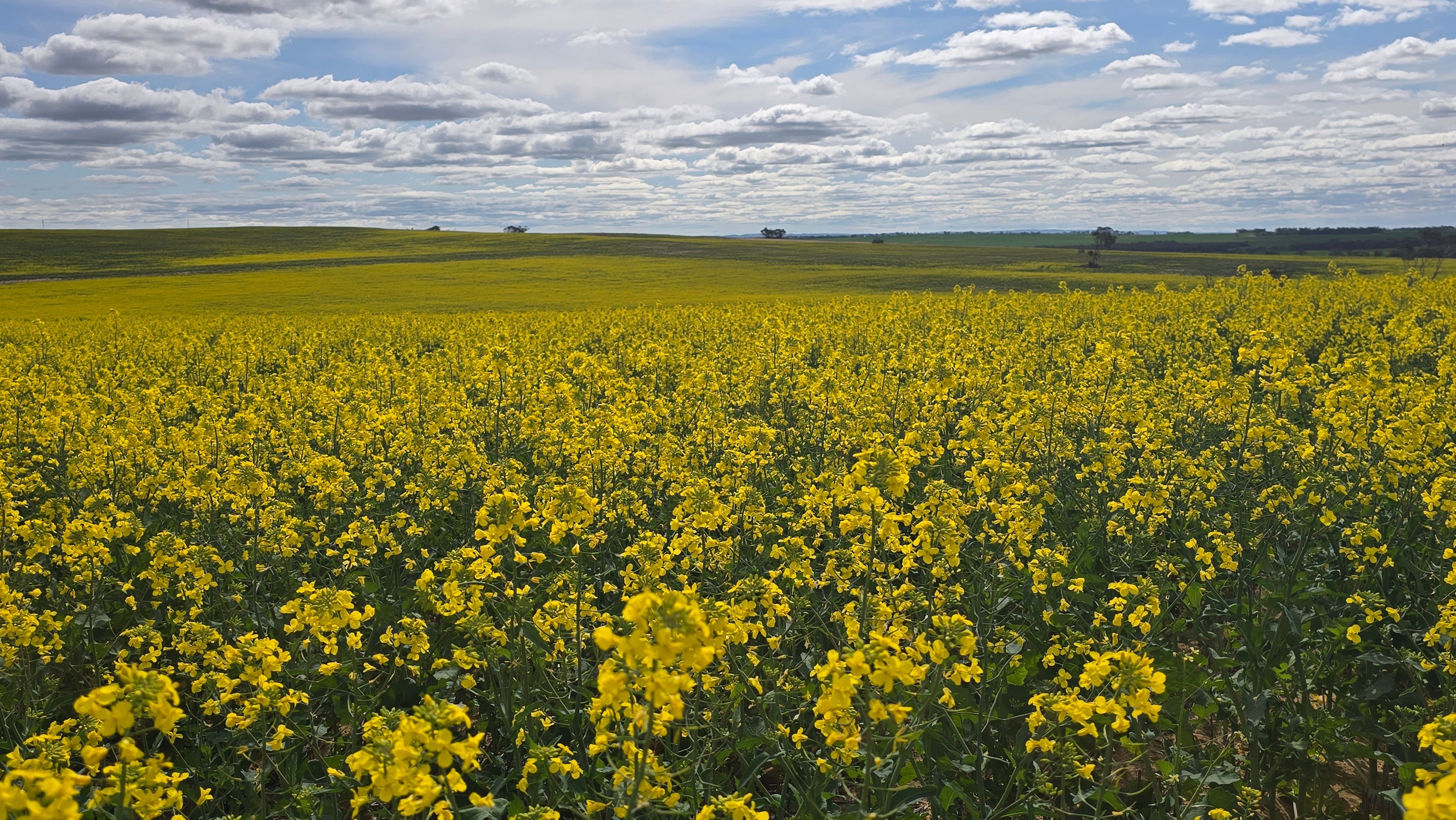
Ethanol
Ethanol is a biofuel produced through the fermentation of carbohydrates such as sugar, molasses and grain starches. Feedstocks can include sugarcane, wheat, sorghum and corn.
Ethanol can be blended with petrol for use in transport fuels or further processed into Sustainable Aviation Fuel (SAF) or renewable diesel through Alcohol-to-Jet (ATJ) pathways.
Ethanol is not a direct replacement for conventional petrol or diesel - most Australian vehicles are only compatible with low ethanol blends (typically E10).
Biodiesel
Biodiesel is a conventional biofuel produced through transesterification (rather than HEFA) of vegetable oils, animal fats or used cooking oils, by converting fats and oils (triglycerides) into fatty acid methyl esters (FAME) and glycerin.
Biodiesel is typically blended with petroleum diesel (for example B5 or B20 blends) rather than used as a full substitute fuel.
Renewable diesel
Renewable diesel is an advanced biofuel produced through synthetic refining processes that chemically convert biomass into a fuel nearly identical to conventional diesel.
It is commonly produced using the HEFA (Hydroprocessed Esters and Fatty Acids) process. but the ATJ pathway can be adjusted to produce high-quality renewable diesel.
Unlike biodiesel, renewable diesel can be used as a direct “drop-in” replacement for fossil diesel without blending and fully compatible with existing diesel engines, pipelines and fuel infrastructure.
In advanced economies, renewable diesel is driving most of the new capacity, while ethanol and biodiesel dominate in emerging economies.
Hydroprocessed Esters and Fatty Acids
Hydroprocessed Esters and Fatty Acids (HEFA) is a refining pathway that converts oils and fats such as canola oil, used cooking oil and tallow into renewable diesel or SAF using hydrogen processing.
HEFA is currently the most mature SAF pathway globally, widely deployed at commercial scale, and considered lower technology risk. It is also one of the lowest-cost SAF pathways.
HEFA fuels are highly compatible with existing refinery infrastructure and aircraft engines, making them attractive for rapid deployment.
Alcohol-to-Jet
Alcohol-to-jet is an emerging SAF pathway that uses alcohols such as ethanol derived from sugar, molasses, grain starches, agricultural residues.
ATJ is considered with fewer commercial-scale facilities currently operating. It is currently one of the higher-cost SAF pathways.
Jet Zero Australia, in partnership with LanzaJet, Qantas, and Airbus, is developing Australia's first ATJ SAF plant in Townsville, Queensland, with operations expected to commence in late 2027. The project, known as Project Ulysses, will convert ethanol from local agricultural byproducts into over 100 million litres of SAF and renewable diesel annually.