
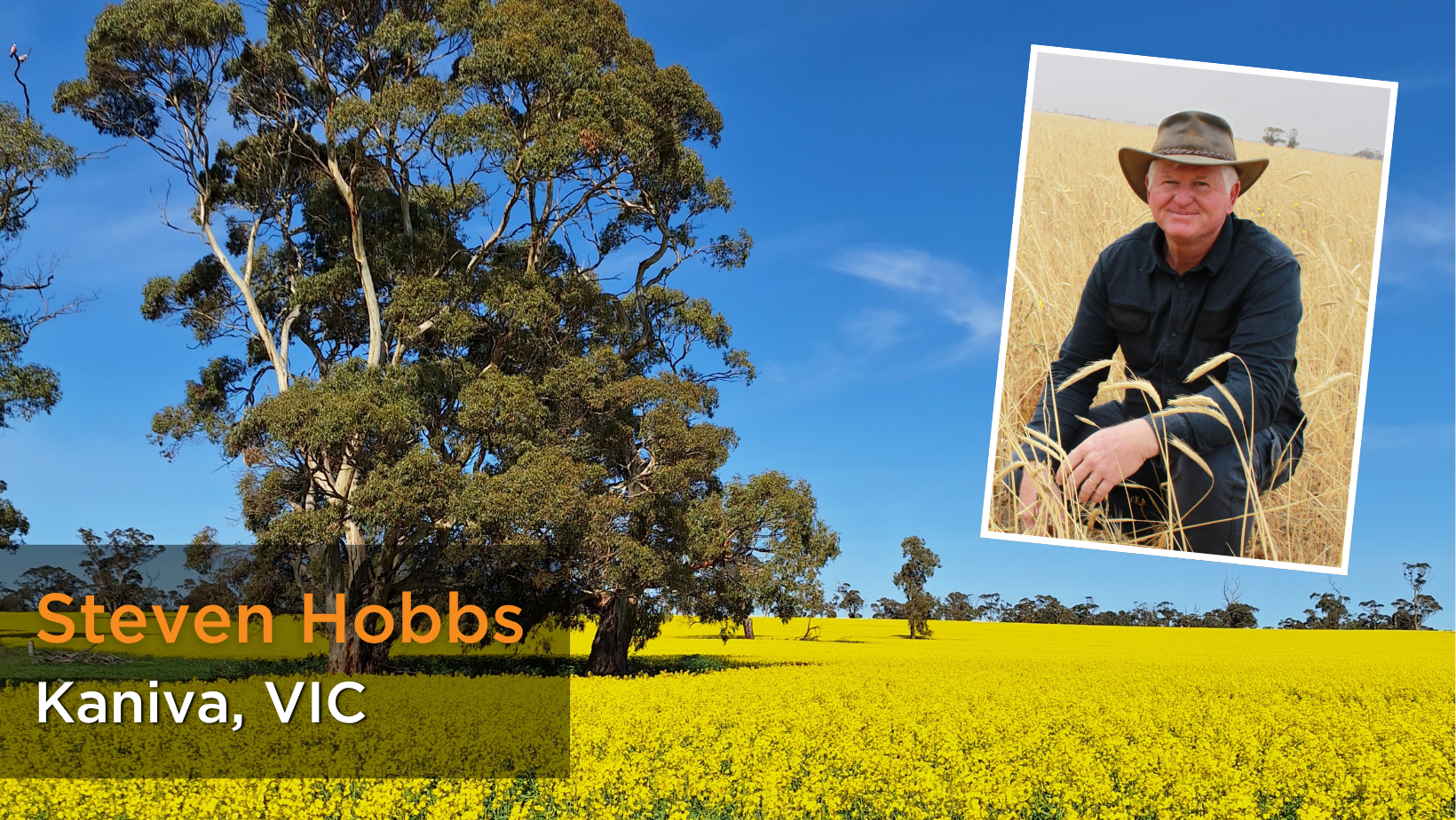
Hi, I’m Steven Hobbs and I farm with my family at Yarrock Farms, in Kaniva, Victoria. I’m the fifth generation on the farm, with the first selection being made in 1885.
We run a mixed farming operation across 800 hectares, with roughly half for cropping and half for sheep. We grow a variety of crops including cereals, legumes and oilseeds, alongside a Merino and prime lamb enterprise.
On our property, we have some rising hills about 138-metres above sea level at their highest points, compared to some swampy terrain on the southern and eastern sides. That gives us about a 30-35 metre elevation difference across the farm, which certainly keeps things interesting.
Our location also means we work with a wide range of soil types, from light sandy soils to various loams and swampy flats, limestone, ironstone, and some red country. I like to say, if you can find a paddock with fewer than three different soil types, you’ve done well.
Managing the variable soil types with our fertiliser and cropping program can be challenging. For the lighter soil, we have tried different types of fertilisers, blends and biosolids over time. We have found that biosolids work well on the sandier stuff and you can see a good response to it.

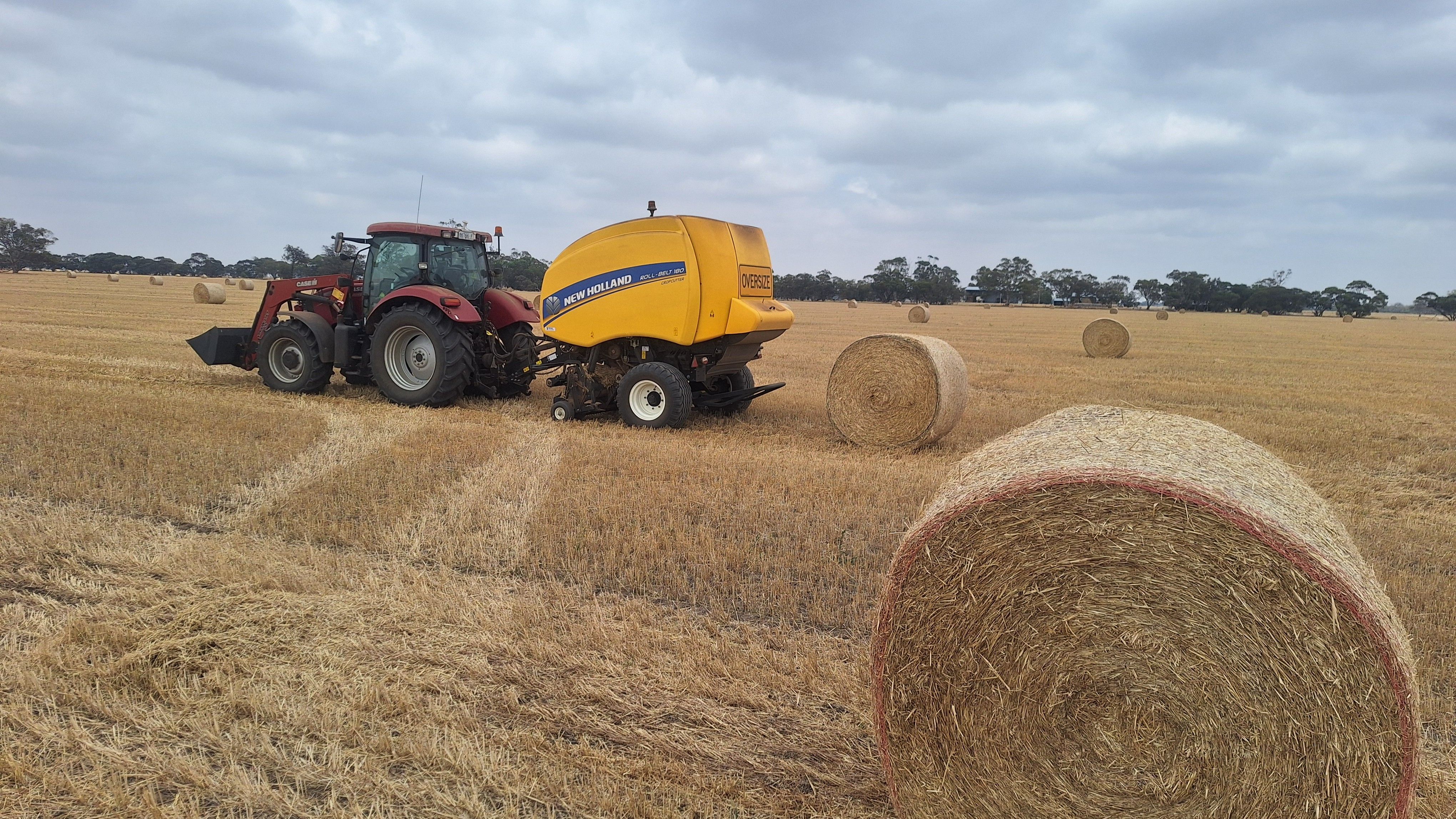
Earlier this season, we had around 3.5 inches of rain, and suddenly everything was green. It sounds like a good problem to have, but it threw things out of sync. We lamb in April and I’m used to doing that in drier conditions, feeding hay and grain to get ewes through. Instead, we went from expecting feed shortages to having a surplus, which meant we had to adjust our grazing and supplementation.
On the cropping side, I’m probably a bit more cautious this year. The farm may look good now, but based on past records, similar weather patterns and the current outlook, I’m expecting below-average rainfall, with frost risk and warmer conditions heading into spring.
With fertiliser and energy prices where they are, it’s important to be realistic about potential yields. Having said that, I’m still going ahead and planting as normal, but I am leaning towards a more drought and frost-tolerant selection of crops like Goldie Oats and Neo Barley.
We are putting more oats in than we normally would, as they are not only frost-tolerant but do quite well under those dry finishes. We have also favoured lentils and beans over canola this year, largely to reduce input costs and risk. I’m not expecting anything too flash and don’t think I’m alone in that. However, at the end of the day, seed doesn’t grow in the shed.
Back in the early 2000s, I became interested in soil carbon and the Emissions Reduction Fund. In 2017, we started a soil carbon project on some of our lighter, sandy country to see what difference it could make. I trialled two approaches, with perennials on one block and cover crops on another, to see which worked best. Combined with rotational grazing, we’ve seen soil carbon levels increase significantly, nearly doubling in some areas.
I have been genuinely surprised by how much CO2 we have been able to sequester in the soil, and we have been issued ACCUs for the project areas. The process has been thorough, with a high level of rigour, auditing and oversight to ensure everything stacks up. With a 25-year obligation attached to the project, consideration needs to be made about when and how you sell those credits, particularly when prices don’t seem to reflect the quality and integrity of those ACCUs.
The way I see it, if we want to keep using our resources like soil, we need to look after them in a sustainable and viable way. Soil is a valuable, living asset and we need to manage it accordingly, so we can continue growing our food and fibre from it. It’s not just about one generation, it needs to be there for future generations as well.

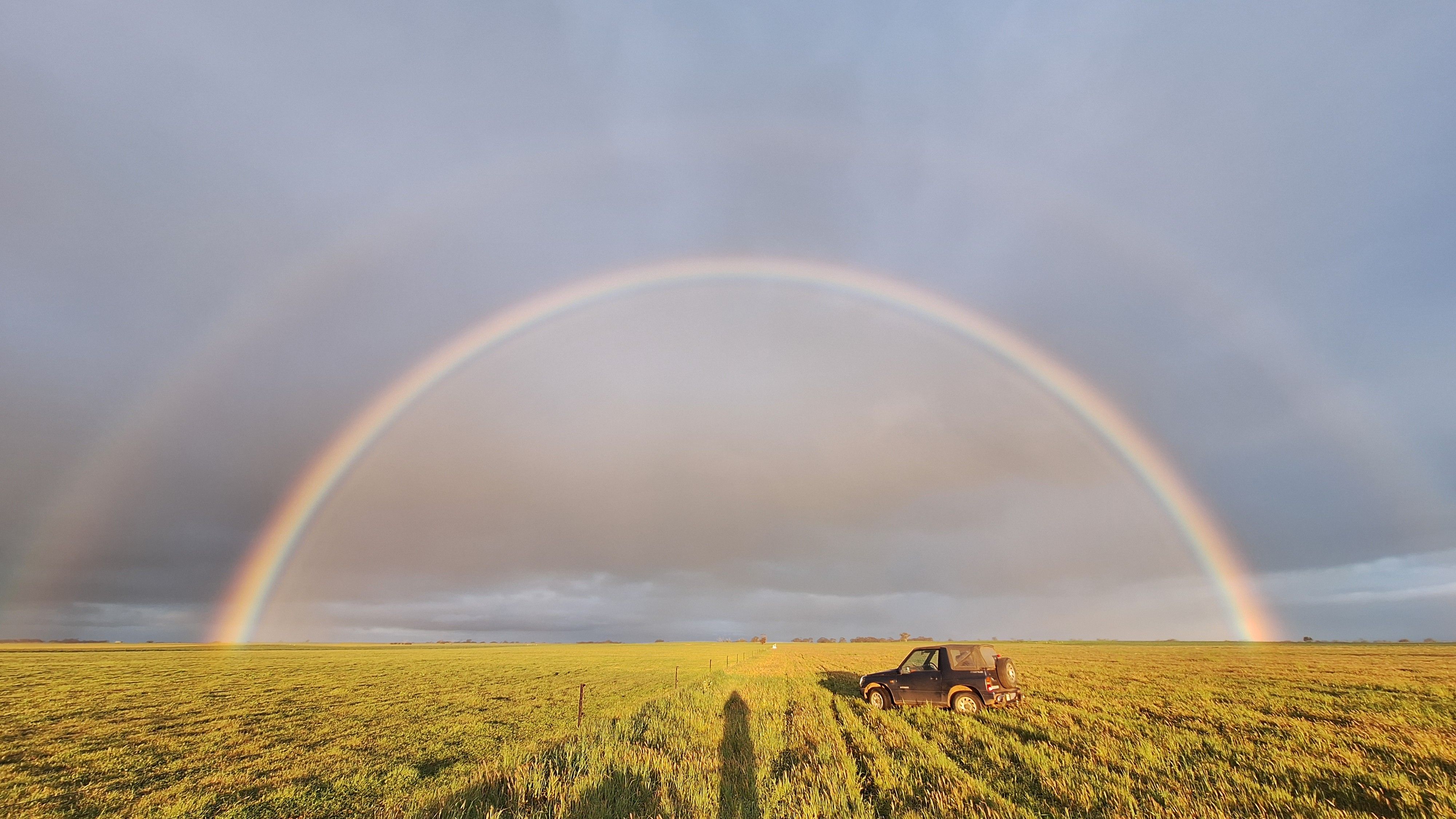
One area I’ve always been interested in is how farming fits into the broader energy conversation. Farmers have always been in the business of growing and storing energy. Historically, it was growing hay for horses and today, we can grow crops like canola to power tractors.
I have a small crushing plant for oilseed, as I was producing a little bit of biodiesel quite a few years ago. While on my Nuffield scholarship, I spent time in the USA, UK, Germany and Finland, and it was amazing to see what they were doing in the renewable fuels space. Unfortunately, inconsistent and poor policies have resulted in the demise of the biodiesel industry over the last two decades. But the experience of the last few months might be the catalyst to grow and support a domestic biodiesel industry.
Looking back at how things used to be done is fascinating. While technology has certainly changed, a lot of the principles remain the same. My grandfather used to work with several teams of horses and would change them frequently, allowing him to cover more acres per hour and increase his efficiency. Today it’s much the same – just with bigger tractors and wider bars – which makes you laugh.
I’m very proud to be an Australian grain grower. I get a lot of satisfaction and enjoyment from what I do and strongly believe farming is an honest and honourable way to make a living.